
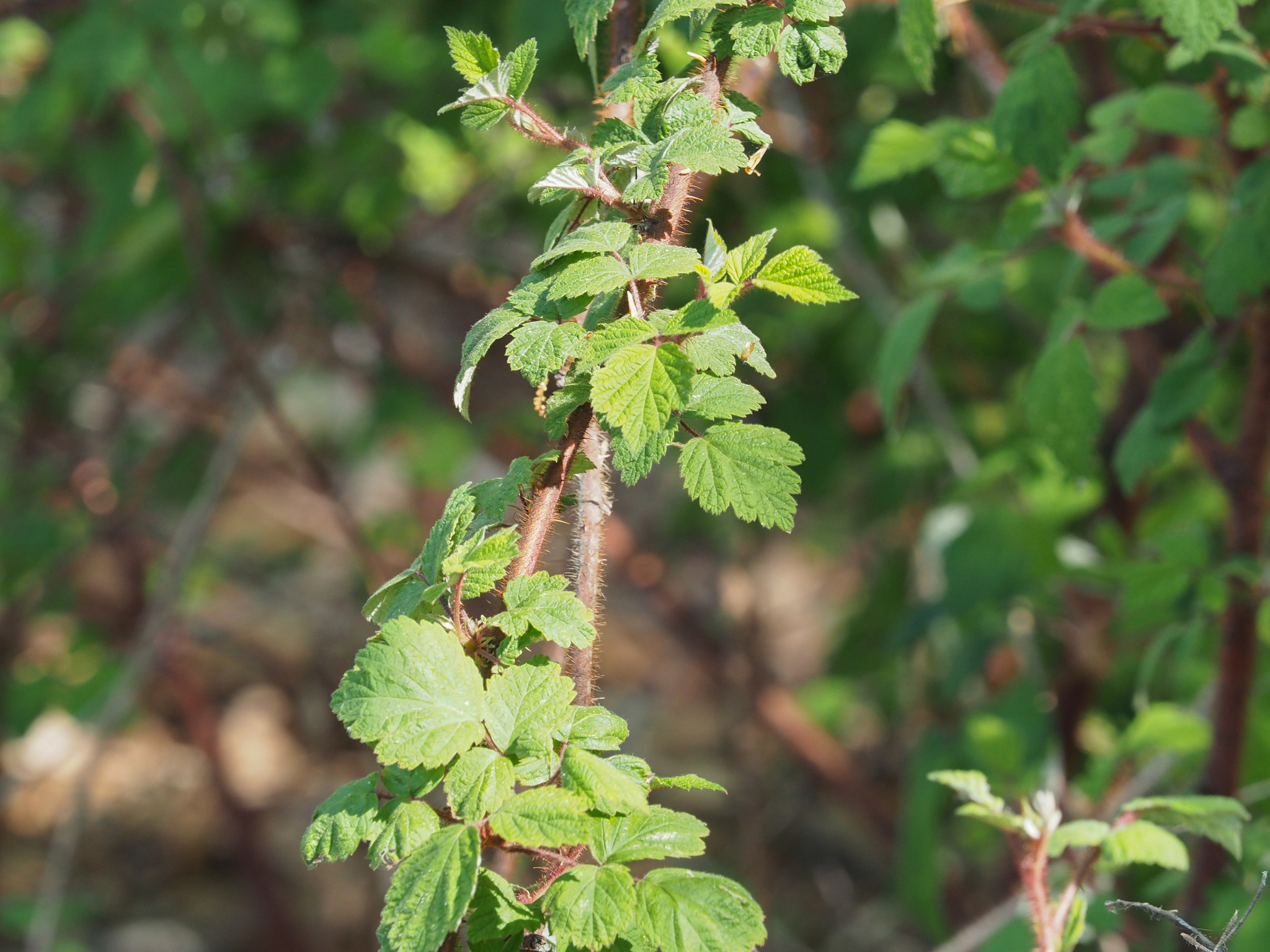
Wineberry (Rubus phoenicolasius) may look appealing — its bright red fruits are sweet, juicy, and tempting to pick — but this thorny shrub is one of the most troublesome invasive plants in forests and fields across the Mid‑Atlantic.
This fast‑spreading raspberry relative can “reach 6 to 9 feet high” and form prickly thickets that overwhelm backyards and forest understories, block wildlife movement, and prevent native plants from regenerating.
Once established, wineberry spreads aggressively, creating dense, hazardous tangles that are difficult to walk through and even harder to remove.
Why Wineberry Is a Problem
Wineberry causes significant ecological and practical damage:
- Forms dense, towering thickets that block forest regeneration
- Outcompetes native wildflowers and shrubs
- Creates hazardous tangles that hinder landowners, hikers, hunters, and wildlife
- Spreads rapidly in moist forests, hedgerows, and disturbed areas
- Roots wherever cane tips touch the ground, allowing plants to “walk” across the landscape
- Produces abundant fruits that wildlife spread widely
Although the fruits are edible, the plant’s ecological impact is severe — especially in hardwood forests where it grows most vigorously.
How to Identify It
Wineberry is easy to recognize once you know the key features:
- Compound leaves with three oval leaflets
- Leaf undersides are silvery white
- Leaf stems (petioles) covered in bristly red hairs
- Canes are reddish, prickly, and covered with needle‑like hairs
- Small pinkish flowers with prominent green sepals
- Bright red, glossy fruits that ripen in early summer (often around July 4th)
- Fruits have a hollow center when picked
The combination of prickles, red hairs, and white leaf undersides makes wineberry stand out from native look‑alikes.
Where It Grows
Wineberry thrives in a wide range of conditions:
- Forest understories and tree‑fall gaps
- Hedgerows and forest margins
- Roadsides and streambanks
- Fallow fields and disturbed soils
- Moist hardwood forests (especially vigorous here)
- It tolerates sun or shade and moist or dry soils, making it highly adaptable and quick to spread.
How It Spreads
Wineberry spreads through:
- Arching canes that root when their tips touch the ground
- Two‑year cane cycles that continually produce new growth
- Birds, bears, and other wildlife that eat the fruits and disperse seeds
- Rapid establishment in disturbed or sunny areas
The mix of living and dead prickly canes creates thick, hazardous thickets that expand outward each year.
How to Control It
Wineberry can be controlled, but persistence is essential — especially because wildlife may reintroduce seeds from nearby areas.
Manual & Mechanical Control
- Hand‑pull canes up to 6 feet long, especially in moist soil
- Push canes away with your foot, then pull steadily from the base
- Use a garden fork or mattock to pry up stubborn crowns
- Remove as much of the root system as possible to prevent resprouting
- Wear protective clothing — the prickles are sharp and abundant
Cut Stump Method
- Cut canes near ground level
- Immediately spray cut stems with a 20% herbicide solution
- Works best with two people: one cuts, one sprays
Foliar Spray
- Apply from early summer into fall
- Effective on seedlings, resprouts, and mature plants
- For large plants, cut canes first, then spray new foliage after regrowth
- Multiple years of treatment may be needed due to continual seed input from wildlife.
Mistaken Identity: Wineberry vs. Blackberry
Wineberry is often confused with common blackberry (Rubus allegheniensis). The leaves of wineberry are white on the backside, and the stems are covered with red hairs.
After Removal: Restore the Site
Because wineberry suppresses native vegetation, cleared areas may be thin or bare. Replanting with native shrubs, grasses, and wildflowers helps stabilize soil and prevent reinvasion. Continue monitoring for new seedlings brought in by wildlife.
---
Source: Blue Ridge PRISM, Wineberry Fact Sheet.